Building a Synchronous Southern Ocean Observatory
SYNCHRONY (Synchronous Southern Ocean Observatory) is a Horizon Europe research and innovation project dedicated to strengthening our understanding of Antarctica and the Southern Ocean—one of the most important yet least observed regions of the Earth system. The Southern Ocean plays a vital role
in regulating the global climate by absorbing excess heat and carbon dioxide, supporting unique marine ecosystems, and influencing sea level. However, rapid environmental change and growing human pressures are placing these critical systems at increasing risk.
Bringing together leading European and international research organisations, SYNCHRONY will establish a robust, internationally coordinated Southern Ocean observing system for long-term climate and ecosystem monitoring. By combining cutting-edge observations with advanced modelling, artificial intelligence, and interoperable data infrastructures, the project will improve our ability to detect change, understand complex ocean–ice–atmosphere interactions, and develop reliable indicators for climate and biodiversity.
SYNCHRONY will also strengthen international collaboration, promote open and FAIR data, and invest in training and capacity building to ensure the long-term sustainability of Antarctic observations. By making essential datasets more accessible and supporting major European and global initiatives, the project will provide the scientific evidence needed for informed decision-making, sustainable Antarctic governance, and effective climate action. In doing so, SYNCHRONY will contribute directly to the European Green Deal, the UN 2030 Agenda, and global efforts to safeguard our planet’s future.
Why observe Antarctica and the Southern Ocean?
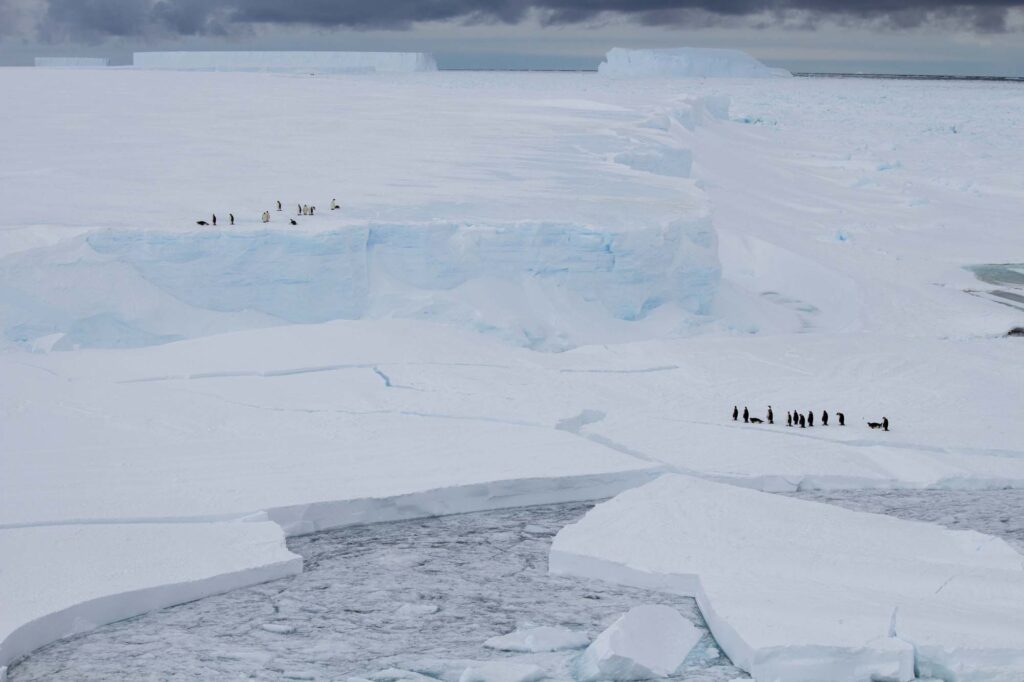
Antarctica and the Southern Ocean shape our planet’s climate and ecosystems. The Southern Ocean absorbs large amounts of excess heat and carbon dioxide from the atmosphere, helps drive global ocean circulation and supports unique marine life. Antarctica’s vast ice sheet plays a major role in determining future sea level. The region is changing rapidly, with sharp declines in sea ice in recent years, warming ocean waters, changes in how carbon moves through the environment and growing pressures on ecosystems. Yet observations remain limited and difficult to sustain in this remote environment. Long-term, coordinated monitoring through an international observing system is essential to understand these changes, improve climate predictions, inform biodiversity protection and provide sound evidence for decisions that affect Antarctica, the Southern Ocean, and the wider planet.
Building a Synchronous Southern Ocean Observatory
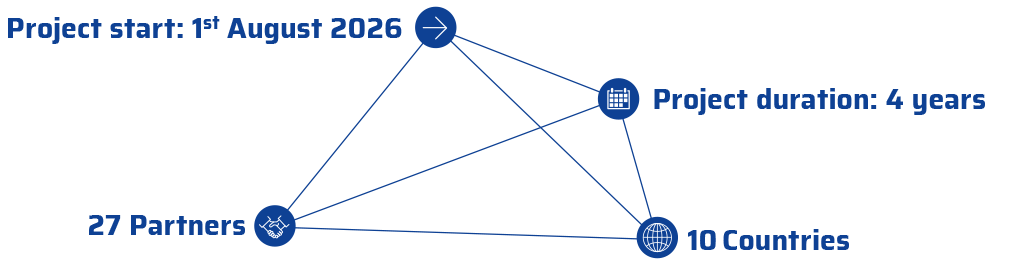
SYNCHRONY (Synchronous Southern Ocean Observatory) is a Horizon Europe research and innovation project running from August 2026 to July 2030. It is coordinated by the Alfred Wegener Institute, Helmholtz Centre for Polar and Marine Research (AWI) and brings together 27 organisations from ten countries. SYNCHRONY is a European contribution to Antarctica InSync, an international initiative whose main field campaigns will take place from 2027 to 2029, coordinating year-round observations in the Southern Ocean and across Antarctica. It builds on long-term community efforts by SCAR and SOOS to coordinate and harmonize observations in the region.
Read more
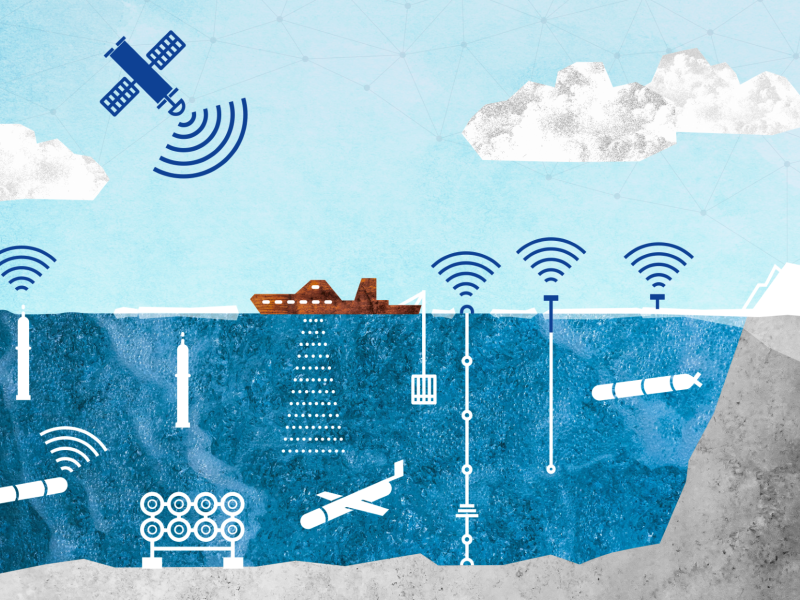
SYNCHRONY aims to establish an internationally coordinated observing system for the Southern Ocean and Antarctica’s coastal regions, building on existing observation networks. This system will support long-term monitoring of the climate and marine ecosystems. The project will combine new observations with modelling, artificial intelligence and data systems that can exchange and use information from different sources. Together, these approaches will help researchers to detect environmental change, understand interactions between the ocean, ice and atmosphere and develop reliable measures of change in climate and biodiversity.
SYNCHRONY will also strengthen international collaboration and promote open data and the FAIR data principles: making data findable, accessible, interoperable and reusable. It will invest in training and capacity building to ensure the long-term sustainability of Southern Ocean observations. By making essential datasets more accessible and supporting major European and global initiatives, the project will provide scientific evidence to inform decisions on Southern Ocean protection and management, biodiversity conservation and climate action. This work will support the aims of the European Green Deal and the United Nations 2030 Agenda for Sustainable Development.
News & Events
Synchrony consortium will meet in Munich from 16-20 November 2026
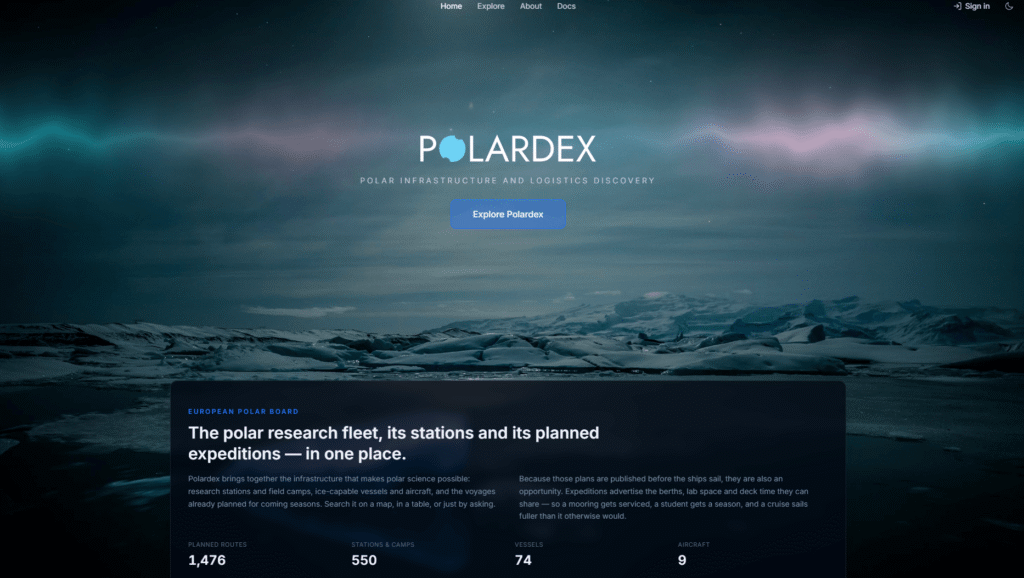
The European Polar Board (EPB) Major developments to Polardex – Polar Infrastructure and Logistics Discovery
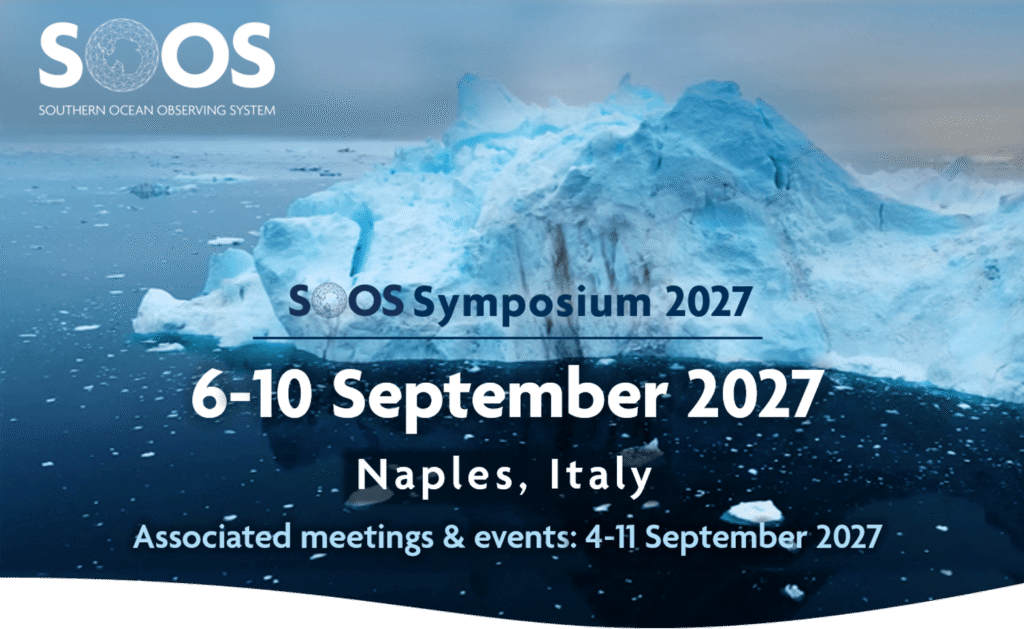
SOOS Symposium, 6–10 September 2027, Naples (Italy)
New open positions:
Join SYNCHRONY
There are currently no open positions.
Partners

Alfred Wegener Institute – Helmholtz Centre for Polar and Marine Research (AWI)

United Kingdom Research and Innovation (UKRI-BAS)
Federal Maritime and Hydrographic Agency (BSH)
Centre National de la Recherche Scientifique (CNRS)
Consorzio Nazionale Interuniversitario per le Scienze del Mare Associazione (CONISMA)
Council for Scientific and Industrial Research (CSIR)
European Polar Board (EPB)
European Science Communication Institute GmbH (ESCI)

ETT Spa (ETT)
Euro-Argo ERIC (EURO-ARGO)

Institut Français de Recherche pour l’Exploitation de la Mer (IFREMER)
Consiglio Nazionale delle Ricerche (CNR)
Korea Polar Research Institute (KOPRI)
Ludwig Maximilian University of Munich (LMU)
Mercator Ocean (MOI)
National Oceanography Centre (NOC)
Norwegian Polar Institute (NPI)

Royal Belgian Institute of Natural Sciences (RBINS)
Scientific Committee on Antarctic Research (SCAR)
Université de Bretagne Occidentale (UBO)

University of Canterbury (UC)

The University of Edinburgh (UEDIN)
University of Gothenburg (UGOT)
Catholic University of Louvain (UCLouvain)

University of Otago (UO)

University of Southampton (UoS)
University of Tromsø – The Arctic University of Norway (UiT)

Alfred Wegener Institute – Helmholtz Centre for Polar and Marine Research (AWI)

United Kingdom Research and Innovation (UKRI-BAS)

Federal Maritime and Hydrographic Agency (BSH)

Centre National de la Recherche Scientifique (CNRS)

Consorzio Nazionale Interuniversitario per le Scienze del Mare Associazione (CONISMA)

Council for Scientific and Industrial Research (CSIR)

European Polar Board (EPB)

European Science Communication Institute GmbH (ESCI)

ETT Spa (ETT)

Euro-Argo ERIC (EURO-ARGO)

Institut Français de Recherche pour l’Exploitation de la Mer (IFREMER)

Consiglio Nazionale delle Ricerche (CNR)

Korea Polar Research Institute (KOPRI)

Ludwig Maximilian University of Munich (LMU)

Mercator Ocean (MOI)

National Oceanography Centre (NOC)

Norwegian Polar Institute (NPI)

Royal Belgian Institute of Natural Sciences (RBINS)

Scientific Committee on Antarctic Research (SCAR)

Université de Bretagne Occidentale (UBO)

University of Canterbury (UC)

The University of Edinburgh (UEDIN)

University of Gothenburg (UGOT)

Catholic University of Louvain (UCLouvain)

University of Otago (UO)

University of Southampton (UoS)

University of Tromsø – The Arctic University of Norway (UiT)